Refuting Heresy
Understand the belief. Examine the claim.
Read what others actually teach, examine their sources, and test the strongest arguments against Scripture and Christian history.
Explore the debates
Four traditions. Thirty-two studies examine Scripture, history, and the strongest arguments across these conversations.
 10 studiesJehovah’s WitnessesWho is Jesus Christ? Examine the Trinity, the Greek text of John, the resurrection, and the New World Translation.Explore studies
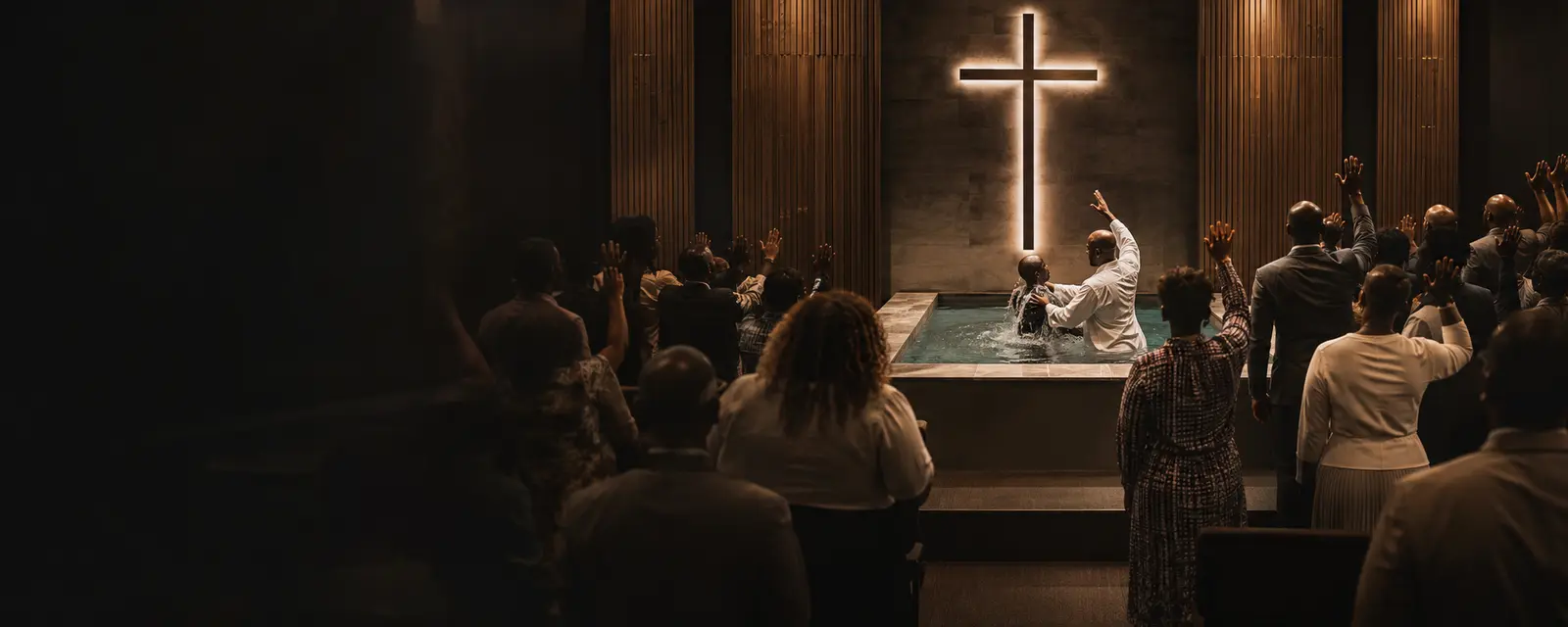 4 studiesOneness PentecostalismIs God one Person or three? Explore the eternal Son, Jesus’ baptism, and the baptismal formula.Explore studies
 5 studiesLatter-day SaintsCompare the nature of God, exaltation, restoration claims, and the historical evidence.Explore studies
 13 studiesIslamInvestigate the Trinity, crucifixion, biblical and Qur’anic transmission, and historical claims.Explore studies
Jehovah’s Witnesses
Jehovah’s Witnesses: beliefs at a glance
This overview summarizes the organization’s published teaching. Ask an individual Witness how they understand it.
- God
- Jehovah, identified as the Father, is the one Almighty God.
- Jesus and the spirit
- Jesus is God’s first creation and Savior, distinct from Almighty God. The holy spirit is understood as God’s active force.
- Salvation and hope
- Christ’s ransom makes salvation possible through God’s undeserved kindness. Faith calls for repentance, baptism and obedient living. They distinguish 144,000 heavenly rulers from people who will live forever on earth.
- Authority
- The Bible is inspired; the Governing Body directs the worldwide community. Official publications explain the organization’s interpretation.
- Worship and life
- Bible study, prayer, congregational meetings and preaching are central. They reject eternal fiery torment and maintain political neutrality.
The Catholic point of disagreement: The central Catholic disagreement concerns the uncreated divinity of the Son and Spirit, and the Trinity. Do not begin by claiming Witnesses have no faith in Jesus or think salvation can simply be earned.
Read their sources: Official overview of Witness beliefs · Jesus as God’s Son · The holy spirit
- 01Is the Word “God” or “a god” in John 1:1?
- 02Is the Trinity taught in Scripture?
- 03Is the Holy Spirit a person or a force?
- 04Is Jesus Michael the archangel?
- 05Does “firstborn” mean Jesus was created?
- 06Does Jesus receive the honor due to God?
- 07Why does Jesus call the Father “my God”?
- 08Was Jesus raised bodily?
- 09Does Scripture teach two classes of Christians?
- 10How should we test the NWT’s translation choices?
Oneness Pentecostalism
Oneness Pentecostalism: beliefs at a glance
The UPCI is the representative source here. Oneness churches are not identical in every practice; most Pentecostals outside the Oneness movement are Trinitarian.
- God
- There is one God, understood without three eternal divine Persons. Father, Son and Holy Spirit describe the one God’s self-revelation and work.
- Jesus
- Jesus is God manifested in flesh, both divine and human. This is an affirmation of his deity, unlike the Witness account of a created Son.
- Salvation
- The UPCI affirms grace through faith in Christ’s atoning sacrifice. It describes obedience to the gospel through repentance, baptism in Jesus’ name and Spirit baptism with tongues as the initial sign.
- Authority
- Scripture is treated as the infallible authority for salvation and Christian life.
- Worship and life
- Holiness, joyful worship, spiritual gifts and expectation of Christ’s return are important.
The Catholic point of disagreement: Catholics also confess one God and Christ’s full deity. The disagreement is over eternal personal distinctions and the form of baptism, not whether Jesus is divine.
Read their sources: UPCI: Our Beliefs
Latter-day Saints
Latter-day Saints: beliefs at a glance
This overview concerns The Church of Jesus Christ of Latter-day Saints. Official teaching must be distinguished from individual speculation and other restoration movements.
- Godhead
- Father, Son and Holy Ghost are distinct beings united in purpose. Father and Son have glorified bodies; the Holy Ghost is a personage of spirit.
- Jesus
- Jesus is the divine Son and Savior whose atonement and resurrection are central to God’s plan.
- Salvation and exaltation
- Through Christ all will be resurrected. Eternal life and exaltation involve his grace, faith, repentance, ordinances and covenant faithfulness. Becoming like Heavenly Father does not mean replacing him or ceasing to worship him.
- Authority
- The Bible, Book of Mormon, Doctrine and Covenants and Pearl of Great Price are scripture. Living prophets and continuing revelation guide the Church.
- Restoration
- Joseph Smith’s mission is understood as a restoration of priesthood authority and gospel truth after apostasy.
The Catholic point of disagreement: The major Catholic disagreements concern the nature of God, the Creator–creature distinction and the claim that apostolic authority needed restoration.
Read their sources: Godhead · Salvation · Articles of Faith · Becoming Like God
Islam
Islam: beliefs at a glance
Islam is a distinct religion, not a Christian heresy. There is no single worldwide teaching office; Sunni, Shiʿi and other Muslim communities differ on authority, interpretation and hadith collections.
- God
- Muslims worship the one incomparable God, Allah. Tawḥīd affirms his oneness and rejects associating partners with him.
- Jesus and Mary
- Jesus is the Messiah and a messenger of God, born of Mary. Muslims reject the Trinity and Jesus’ divine Sonship; mainstream interpretation also denies his crucifixion.
- Revelation
- The Qur’an is received as God’s revelation to Muhammad, the final prophet. Earlier divine revelations are acknowledged, but the Qur’an is treated as the governing criterion.
- Judgment and mercy
- Resurrection, judgment, faith, repentance, righteous action and God’s mercy are central. Islam should not be reduced to earning heaven by works.
- Religious life
- The testimony of faith, prayer, charity, Ramadan fasting and pilgrimage are foundational practices. Details of theology and law vary.
The Catholic point of disagreement: The decisive Christian disagreements concern Jesus’ identity, death and resurrection, and the authority of the competing revelation claims. Popular scientific-miracle arguments are not beliefs held in the same form by every Muslim.
Read their sources: God’s oneness: Qur’an 112 · Jesus: Qur’an 4:171 · Earlier revelation: Qur’an 5:48 · Muhammad: Qur’an 33:40 · Mercy: Qur’an 39:53 · Faith and practice: Muslim 8a (Sunni collection)
- 01Does the Trinity violate monotheism?
- 02Was Jesus crucified?
- 03What does the Qur’an affirm about the Gospel?
- 04What does Qur’anic preservation mean?
- 05How should a revelation claim be tested?
- 06How should prophetic marriage claims be evaluated?
- 07How should religious leadership be compared?
- 08Do the verses establish an embryology miracle?
- 09Do mountains and seas establish a scientific miracle?
- 10Do the verses predict modern cosmology?
- 11How strong are the prophecy arguments?
- 12Is Muhammad prophesied in the Bible?
- 13Where did Jesus claim to be God?
About these studies: Each study presents sources, the strongest opposing case, and an argued response. Suggestions and corrections are welcome through the site contact page.